
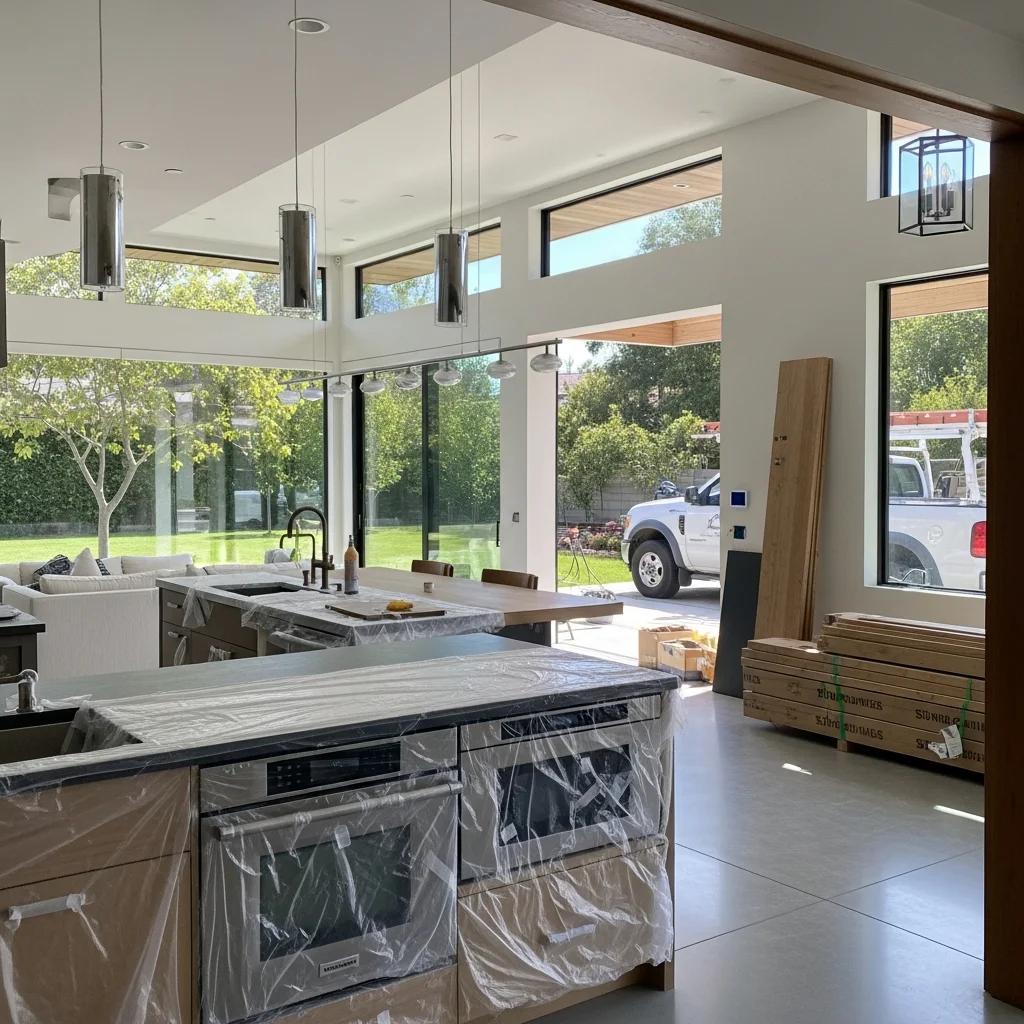
If you've started getting quotes for a remodel in San Jose, you've probably noticed something: the bids vary wildly, the timelines feel like guesses, and almost nobody mentions the things that actually slow projects down here — soil conditions on hillside lots, heritage tree ordinances, 1960s electrical panels that can't handle a modern kitchen, or setback rules that kill an ADU plan before it starts.
That's not an accident. Remodeling in Silicon Valley isn't the same as remodeling in most of the country, and a general contractor who hasn't worked extensively in this specific market is going to learn these lessons on your dime, not theirs.
I'm part of the team at Urban Builders & Remodeling, a licensed general contractor (License #1110851) based in San Jose, and after 15+ years and 500+ projects across the South Bay and Peninsula, here's what I think every San Jose homeowner should know before hiring a GC.
What Makes Silicon Valley Remodels Different
1. The housing stock is older than people assume
Despite the tech-money reputation, a lot of San Jose's neighborhoods — Willow Glen, Rose Garden, Almaden, parts of Cambrian — are full of homes built in the 1950s and 60s. That means:
- Electrical panels that were never sized for modern kitchens, EV chargers, or AC additions
- Cast iron or galvanized plumbing that's at or past end-of-life
- Walls that "look" non-structural but aren't
A contractor who mostly works on newer builds elsewhere won't be looking for these things during the bid phase. We do, because we've been surprised by them enough times to know to check first.
2. Local permitting has its own quirks
San Jose's permitting process has genuinely improved for things like ADUs, but "faster" doesn't mean "simple." Setback requirements, heritage tree protections, and lot-specific zoning can all add weeks if they're not caught early. A GC who pulls permits in this city regularly knows which reviewers ask for what, and builds that time into your schedule instead of surprising you with it mid-project.
3. Hillside and infill lots come with real soil and foundation considerations
Neighborhoods like Almaden and the foothill areas often sit on sloped or variable soil. Foundation work that wouldn't even come up on a flat suburban lot elsewhere can become a real line item here. Skipping a geotechnical assessment to save time upfront is one of the most common ways a remodel budget blows up later.
4. Labor and material costs are shaped by the local market
Silicon Valley's cost of living affects everything — skilled trade availability, lead times, even subcontractor scheduling. A contractor who estimates based on national averages, rather than what things actually cost and how long they actually take in the South Bay right now, is setting you up for a bid that won't hold.
Real Examples From Our Projects
A Willow Glen kitchen and double-bathroom remodel. The homeowners came to us with architectural drawings already done by an independent designer. Once we got into demo, we found the existing electrical panel couldn't support the new appliance load, and the wall they wanted opened up was load-bearing — neither issue had been caught in the original plans. Because we handle design and build in-house, we could re-engineer the plan immediately instead of sending the homeowners back to the architect and losing weeks. The project finished on budget in about 14 weeks.
An ADU build in the Rose Garden area. This lot had a setback conflict with the existing detached garage we were converting and expanding, plus a heritage tree close enough to the build site to trigger additional review. We handled the survey, worked with the city on the setback issue, and adjusted the design around the tree ordinance. Most homeowners planning an ADU have no idea a tree on their own property can affect their permit timeline — until it does.
A full home remodel on a sloped lot in Almaden. Once we got into the foundation work, soil conditions required a geotechnical report and additional structural reinforcement that wasn't part of the original scope. It added cost, but catching it early meant the homeowners could plan for it instead of facing a surprise mid-construction stop-work issue.
None of these are unusual. They're the kind of thing that comes up regularly when you build in this region — which is exactly why local experience matters more than a polished bid.
What to Ask Any Contractor Before You Hire Them
If you're interviewing GCs for a San Jose remodel, a few questions tend to separate the contractors who know this market from the ones who don't:
- "Have you pulled permits with the City of San Jose recently? What's the current timeline looking like?"
- "How do you handle unexpected structural or electrical issues once we're into demo?"
- "Do you have experience with hillside or sloped lots in this area?"
- "If my project is near a protected tree, how does that affect the timeline?"
A contractor who answers these specifically — not generically — has probably done the work here before.
The Bottom Line
Anyone can give you a number on a bid sheet. What actually protects your budget and your timeline is a contractor who's already run into San Jose's specific surprises — old electrical, sloped soil, tree ordinances, setback rules — and knows how to plan around them before they become change orders.
That's the difference local experience makes, and it's why we think it matters more than people realize when they're choosing who to hire for a Silicon Valley remodel.